
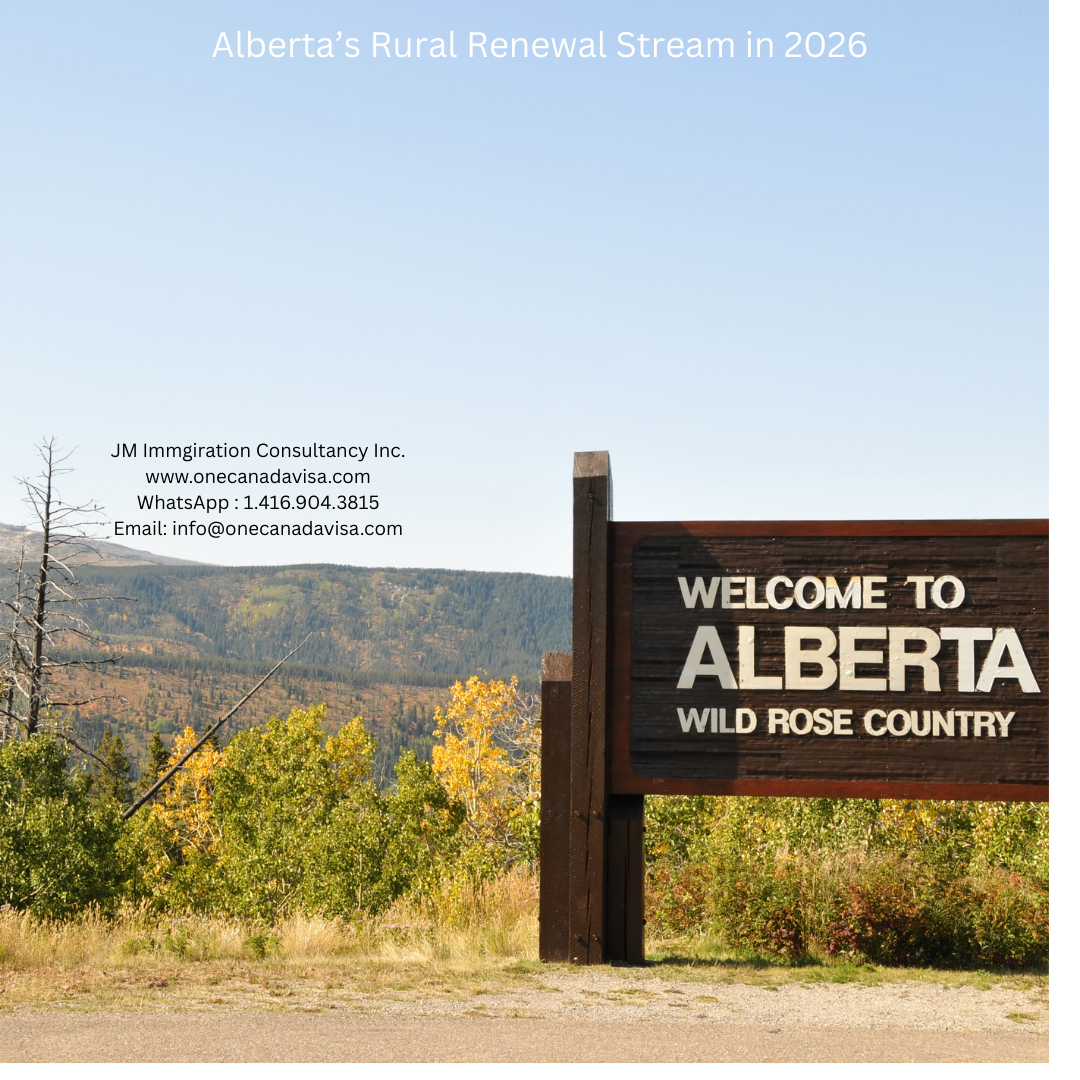
Alberta’s Rural Renewal Stream in 2026: Opportunities, Requirements, and What Applicants Should Expect
Alberta’s Rural Renewal Stream continues to be one of the most accessible and community‑driven immigration pathways in Canada. As the province prepares for 2026, the program’s direction signals a stronger emphasis on population growth, labour stabilization, and long‑term settlement in smaller communities. For applicants, this means new opportunities—but also a need to understand how community endorsement, employer participation, and settlement expectations shape the process.
What the Rural Renewal Stream Is
The Rural Renewal Stream is part of the Alberta Advantage Immigration Program (AAIP). It allows designated rural communities to recruit and endorse foreign workers to fill local labour shortages. Once endorsed, applicants can apply for provincial nomination and eventually permanent residence.
Unlike traditional economic programs that rely heavily on points or federal selection criteria, this stream is built around community‑driven recruitment. Local municipalities identify labour gaps, approve employers, and issue endorsements to candidates they believe will settle successfully.
What the 2026 Direction Suggests
As Alberta continues to expand its rural development strategy, several trends are becoming clear:
1. Stronger Community Involvement
Communities are expected to take a more active role in screening candidates, ensuring they are a good fit for long‑term settlement. This means applicants must demonstrate not only work experience but also adaptability, community engagement, and a genuine interest in rural life.
2. Increased Employer Accountability
Employers in designated communities must meet stricter standards for recruitment, wages, and settlement support. This protects workers and ensures that job offers are legitimate and sustainable.
3. Focus on Retention, Not Just Recruitment
Alberta wants newcomers to stay. Programs may increasingly prioritize candidates who show ties to the community, family connections, or a clear plan for long‑term integration.
4. Opportunities Across a Wide Range of Occupations
Rural communities often need workers in hospitality, retail, trades, healthcare, transportation, and agriculture. The stream remains one of the most accessible options for applicants who may not qualify under high‑skilled federal programs.
5. Faster Pathways for Candidates Already in Alberta
Applicants who are already working in a designated community—especially those with strong employer support—may see smoother processing and stronger endorsement prospects.
What This Means for Applicants
The Rural Renewal Stream is ideal for individuals who:
• Want a clear, employer‑supported pathway to permanent residence
• Are open to living in smaller, quieter communities
• Have experience in occupations facing shortages
• Can demonstrate adaptability and long‑term settlement potential
Success in this stream depends heavily on community endorsement, which is unique compared to most immigration pathways. Applicants must be prepared to engage with local employers, understand community expectations, and show genuine interest in contributing to rural Alberta.
Frequently Asked Questions (FAQ)
1. What is a designated community?
A designated community is a rural municipality approved by Alberta to participate in the Rural Renewal Stream. Each community has its own recruitment process and list of eligible employers.
2. Do I need a job offer?
Yes. A full‑time, non‑seasonal job offer from an approved employer in a designated community is required.
3. What is a community endorsement letter?
It is a document issued by the community confirming that you were recruited locally and meet their settlement expectations. You cannot apply to the AAIP without it.
4. Can I apply from outside Canada?
Yes. Many communities actively recruit international applicants, especially in high‑demand sectors.
5. What occupations are eligible?
Most NOC TEER 0–5 occupations may be eligible, depending on the community’s labour needs. Each community publishes its own priority list.
6. Do I need language test results?
Yes. Minimum language requirements apply and vary by occupation level.
7. How long does the process take?
Timelines vary by community, employer, and AAIP processing. Applicants already working in Alberta may move faster.
8. Does this lead to permanent residence?
Yes. Once nominated by Alberta, applicants can apply for permanent residence through the federal government.
9. Can my family come with me?
Yes. Spouses and dependent children can be included in your permanent residence application.
10. What makes an applicant competitive?
• Relevant work experience
• Strong communication skills
• Genuine interest in rural living
• Positive employer references
• Ability to integrate into the community


